Baby Botox in Cagliari
Micro-dose botulinum toxin, for prevention
Softening the first expression lines and preventing their formation, without freezing the face. Lower doses, a natural result, performed by a dermatologist at Centro Eudermia.
- Movement preserved, never a “frozen” face
- A preventative approach, on the first lines
- Performed by a dermatologist
- Zero downtime, about 15 minutes
What baby botox is
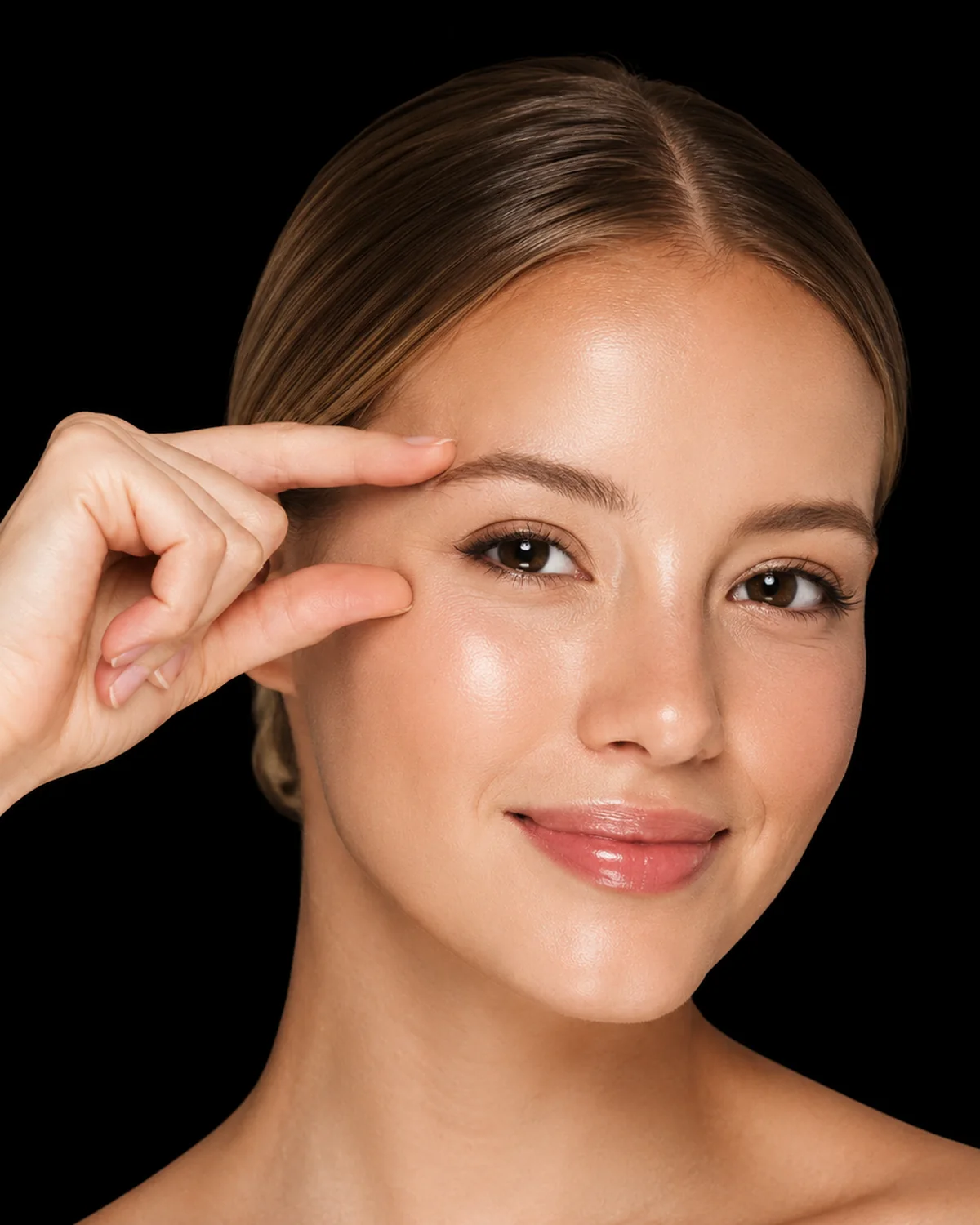
Baby botox (or micro-tox) is the use of botulinum toxin at lower doses than the classic treatment. Instead of erasing already-set wrinkles, it softens the first expression lines while keeping full movement. The aim isn't to "redo", but to prevent: the muscle gets used to frowning less, slowing the formation of the crease.
It's one of the pillars of preventative aesthetic medicine, now in high demand among the under-35s. At micro-doses, recent literature shows the toxin can also improve overall skin quality, beyond movement.
Why baby botox
Prevention, naturally
Movement preserved
Lower doses: it softens expression lines while keeping a face that still moves. Never a "frozen" look.
A preventative approach
Acting before lines set in: the muscle gets used to frowning less, slowing the formation of the crease.
Biostimulating effect
At micro-doses, the toxin can also improve overall skin quality, beyond movement alone.
Zero downtime
An outpatient treatment of about 15 minutes, mild discomfort, back to your day straight away.
Baby botox or "classic" botox?
It's the same medicine (type A botulinum toxin), but the dose and goal change:
- Baby botox: reduced doses, on still-light lines, for prevention and skin quality. Ideal from 25-30.
- Botulinum toxin treatment: full dosing, on already-marked expression lines. See the dedicated botox page.
At the visit the specialist assesses your movement and tells you honestly which of the two approaches truly makes sense for you, or whether nothing is needed yet.
The Eudermia difference
Micro-doses, but a medical act
Performed by a dermatologist
Not by a beauty operator: dose and injection points decided on your facial movement, with clinical assessment.
Naturalness as the rule
Our philosophy: improvement, not transformation. Even more so at micro-doses. People see you glowy, not "done".
Experience since 1986
Led by Dr. Alessandra Guicciardi, among the first in Sardinia in medical aesthetic medicine.
4.9 / 5 on Google
348 verified reviews
Reviews translated from the original Italian
“I waited 4 months before leaving this review. I wanted to be sure I had truly solved my problem. I suffered for 2 years and was seen by dermatologists who turned out to be useless, as they never gave me the right treatment — only a waste of time and money while my condition got w…”
Frequently Asked Questions
Who performs the treatments
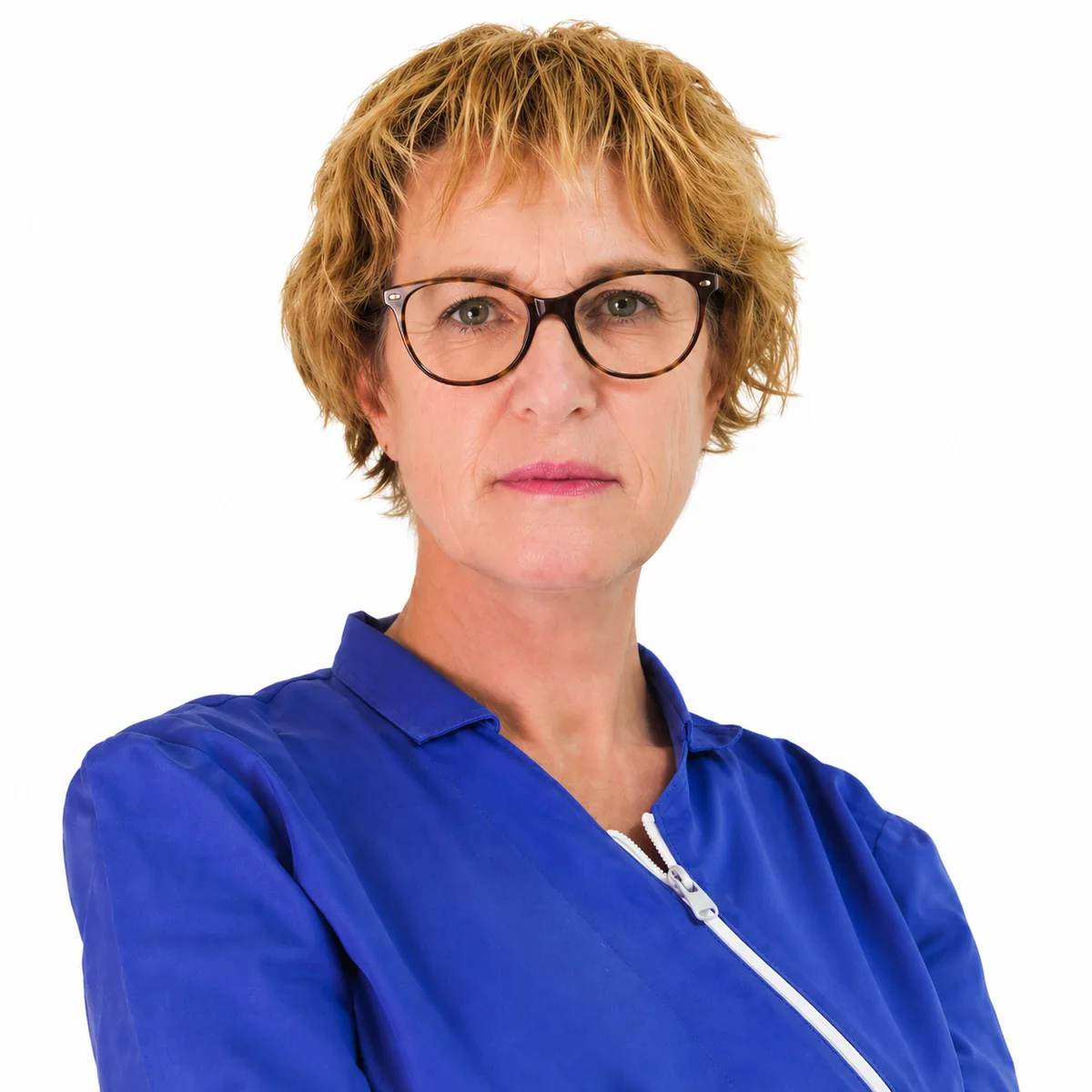
Dr. Alessandra Guicciardi
Specialist in Dermatology & Venereology · Aesthetic Medicine
At Centro Eudermia every aesthetic medicine treatment is performed exclusively by a dermatologist — never by non-medical staff.
- Over 30 years of experience, since 1986
- Among the first in Sardinia to practise medical aesthetics
- Member of SIDeMaST & SITRI · Cagliari Medical Board no. 4435
Supported by the full medical team at Centro Eudermia. Meet the team →
The first step
Book the consultation
At the visit we assess your facial movement and tell you whether baby botox is right for you, with a natural, tailored plan. No commitment.
The information on this page is for informational purposes only and does not replace the advice of a medical specialist. Results may vary depending on the individual clinical case.