
Photodynamic Therapy in Cagliari: Keratoses and Superficial Tumours
An innovative, selective, non-surgical treatment.
Photodynamic therapy (PDT) is a treatment of choice for actinic keratoses, certain forms of superficial basal cell carcinoma and severe acne. At Centro Eudermia in Cagliari we follow international protocols to achieve outstanding results.
- PDT with topical aminolevulinic acid
- A non-surgical alternative for precancerous lesions
- Selective action on abnormal cells
- Excellent aesthetic outcome
Benefits of Photodynamic Therapy
Non-Invasive
No surgery needed, a quick and safe outpatient treatment.
Aesthetic Results
Healing without scars and with excellent cosmetic outcomes.
Precision
Targeted treatment that affects only abnormal cells.
Safety
A safe procedure with minimal, predictable side effects.
Frequently Asked Questions
Indications for Photodynamic Therapy
Moderate-to-Severe Acne
Particularly indicated when traditional antibiotic therapies do not give satisfactory results, or when a prolonged course of antibiotics is best avoided. It reduces the bacterial load of Cutibacterium acnes and calms sebaceous gland activity and inflammation. PDT does not induce bacterial resistance.
Actinic Keratoses
Precancerous skin lesions caused by cumulative sun damage, with the potential to progress to squamous cell carcinoma. PDT is recognised by European guidelines as one of the first-line treatments, especially for multiple, widespread lesions or those in aesthetically sensitive areas (face, scalp).
Other Indications
Bowen's disease (squamous cell carcinoma in situ), management of the "field of cancerisation" in chronically sun-damaged skin, and in selected cases photodynamic rejuvenation for skin texture and the signs of photoageing.
How It Works: the Mechanism
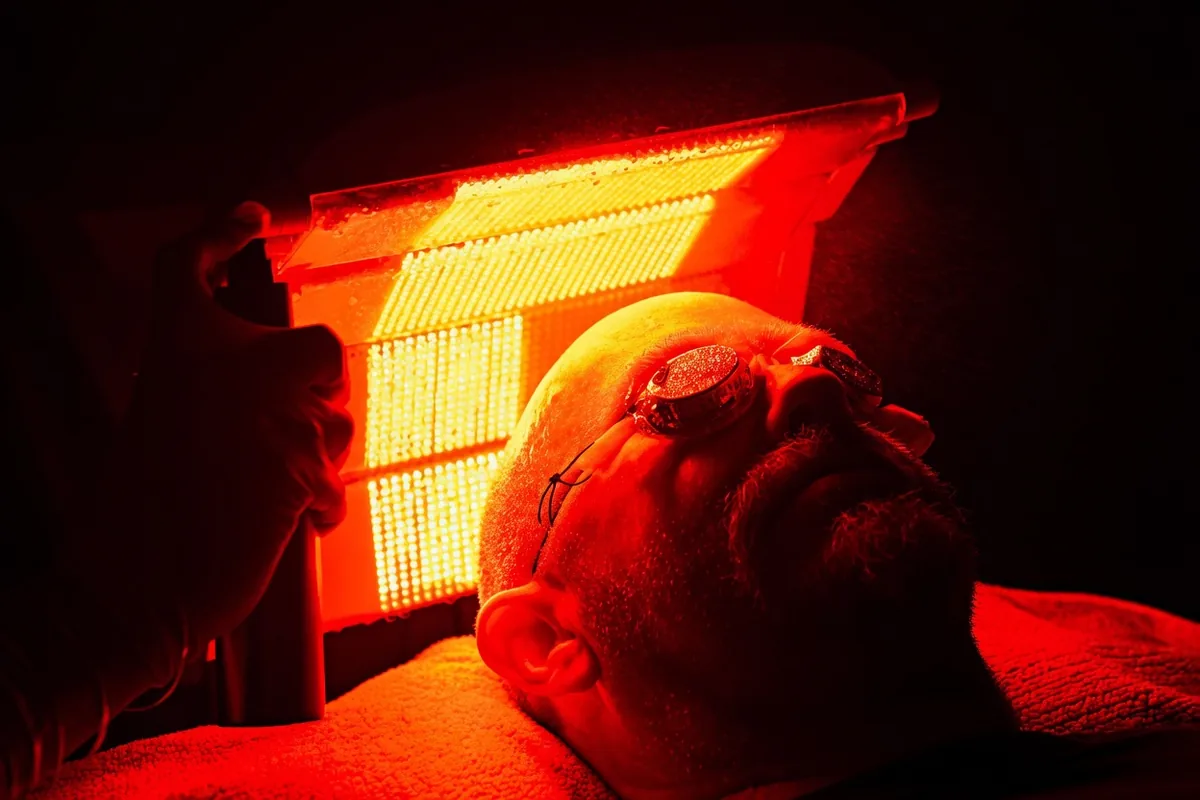
PDT relies on the interaction of three elements: a photosensitising substance (usually 5-aminolevulinic acid, ALA, or its methyl ester MAL), a light source at a specific wavelength and the oxygen present in the tissues. The photosensitiser is applied as a cream or gel and, during an incubation of 60-120 minutes, accumulates selectively in the target cells (overactive sebaceous glands in acne, precancerous cells in keratoses). The area is then exposed to red LED light at 630-635 nm for 10-20 minutes, which generates reactive oxygen species with a targeted cytotoxic effect on the target cells.
4.9 / 5 on Google
348 verified reviews
Reviews translated from the original Italian
“I took my daughter to Dr. Guicciardi on a friend's recommendation. My teenage daughter had had acne for about 2 years; we tried many treatments with other dermatologists but nothing worked — in fact it kept getting worse, not only on her face but also her shoulders, back and arms…”