Biorevitalization in Cagliari
Deep hydration and collagen stimulation
A dermatological tissue-revitalization treatment for the face, neck and décolletage. Performed at Centro Eudermia, active in Cagliari since 1986 and founded by Dr. Alessandra Guicciardi, one of the first professionals in Sardinia to integrate aesthetic medicine into clinical dermatological practice.
- Long-lasting skin hydration
- Physiological stimulation of the fibroblasts
- No added volume, only skin quality
- Can be combined with other treatments
The Eudermia Approach
Your biorevitalization journey, in 4 structured steps
Not a rigid protocol, but a structured method that adapts every stage to the current quality of your skin.
Dermatological assessment
Analysis of the skin condition: hydration level, elasticity, signs of photodamage, quality of tone. Identification of the priority areas to treat.
Defining the protocol
Number of sessions (usually 3), the interval between them (4-5 weeks), the specific product, and the treatment areas (face, neck, décolletage, hands).
Series of treatments
Injections of non-cross-linked hyaluronic acid, optionally enriched with vitamins, amino acids and antioxidants, distributed in micro-points to stimulate the fibroblasts.
Maintenance
After the initial cycle, top-up sessions every 4-6 months to preserve the result. Biorevitalization works best as an ongoing practice.
The Centre's Method
Why a cycle works better than a single session
A single biorevitalization session is clinically insufficient. Biorevitalizing products give results over time, because the skin must be given the chance to revitalize progressively: stimulating the fibroblasts and the synthesis of new collagen and endogenous hyaluronic acid takes weeks, not hours. For this reason the standard protocol involves at least 3 sessions, 4-5 weeks apart, up to 4 in cases of particularly dehydrated or photodamaged skin.
There is a clinical detail that illustrates this logic well and that can be observed directly during the treatment. At the first session, the practitioner "uses up" the vial in a very short time, because the skin needs it and absorbs it rapidly: in dehydrated areas, the product virtually disappears under the needle. From the second session, the same vial can stimulate larger areas, because the skin is already more responsive and less "thirsty". By the third, even more so. The qualitative leap is not between the first and second session, it is between the second and the third, and it is progressive.
For maintenance, two cycles a year are generally enough, each comprising between 3 and 4 sessions. The ideal seasonality is spring and autumn: spring to prepare the skin for summer sun exposure (more hydrated skin is better prepared to receive UV radiation), autumn to restore the hydration lost to the sun of the warmer months. The results of a complete cycle last on average 6 months, and something always remains built up: returning the skin to exactly how it was at the start takes more than a year without treatments.
It is also worth clarifying a point that frequently causes confusion: mesotherapy and biorevitalization are not synonyms. Mesotherapy is an injection technique: small needles, superficial distribution of the product, micro-points. Biorevitalization is a treatment, that is a clinical objective (tissue regeneration, deep hydration) that can also be achieved using the mesotherapy technique. The same needle can deliver very different products: efficacy depends on which substance is injected, and for biorevitalization the choice falls on biomimetic peptides, non-cross-linked hyaluronic acid, more diluted solutions for deep hydration, or denser biorevitalizers depending on the skin.
Technologies & Treatments
The techniques that integrate with biorevitalization
Biorevitalization integrates naturally into broader treatment plans. During the preliminary assessment we identify the optimal combination for you.
Mesotherapy
A similar approach but with a different focus: mesotherapy delivers specific active ingredients for defined concerns (cellulite, alopecia, rejuvenation).
Learn more →Hyaluronic Acid Filler
When you want to add volume to specific areas of the face on top of the revitalization.
Learn more →Microneedling
Complementary skin stimulation to improve texture and the uptake of active ingredients.
Learn more →Chemical Peel
For a more superficial renewal of the skin, often integrated into combined protocols.
Learn more →Facial Wrinkle Treatment
When you want to combine skin quality with the treatment of expression lines.
Learn more →Skin Pigmentation
A specific approach to skin hyperpigmentation, complementary to biorevitalization.
Learn more →"Biorevitalization gives its best as an ongoing practice over time, not as a single treatment."
The Eudermia Difference
Why a dermatological approach makes the difference for biorevitalization
Preliminary skin diagnosis
Before recommending the treatment, we medically assess the condition of the skin. Not a 'one-size-fits-all' protocol, but a plan based on the analysis of your specific skin type, hydration level and photodamage.
Certified products
We use exclusively products registered as medical devices or medicines, from international brands with well-established clinical documentation and a recognised safety profile.
Medical-dermatological approach
Biorevitalization is a medical procedure, not an aesthetic one. Performed by a dermatologist, in a clinical setting, with all the safety guarantees that follow.
Combines with other treatments
Biorevitalization integrates naturally into broader journeys (filler, peeling, laser) for a multidisciplinary approach to facial rejuvenation.
4.9 / 5 on Google
348 verified reviews
Reviews translated from the original Italian
“I waited 4 months before leaving this review. I wanted to be sure I had truly solved my problem. I suffered for 2 years and was seen by dermatologists who turned out to be useless, as they never gave me the right treatment — only a waste of time and money while my condition got w…”
Who performs the treatments
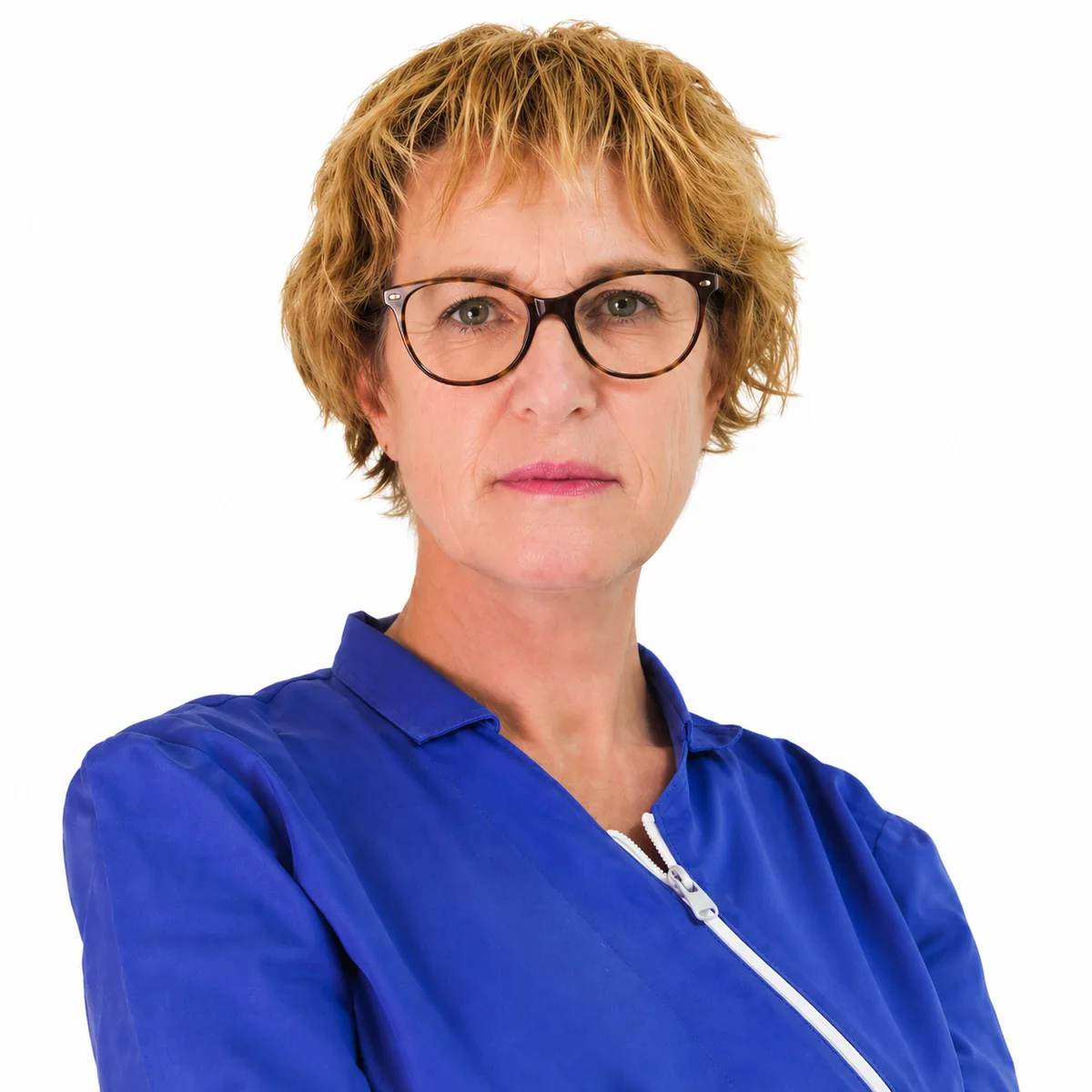
Dr. Alessandra Guicciardi
Specialist in Dermatology & Venereology · Aesthetic Medicine
At Centro Eudermia every aesthetic medicine treatment is performed exclusively by a dermatologist — never by non-medical staff.
- Over 30 years of experience, since 1986
- Among the first in Sardinia to practise medical aesthetics
- Member of SIDeMaST & SITRI · Cagliari Medical Board no. 4435
Supported by the full medical team at Centro Eudermia. Meet the team →
Your First Step
Start your journey towards healthier skin
The first consultation is dedicated to assessing your skin and defining the protocol best suited to you. No commitment: we explain the options and you decide whether to proceed.
Results may vary depending on the individual clinical case. The information on this page is for general information purposes only and does not replace the advice of a specialist physician.